

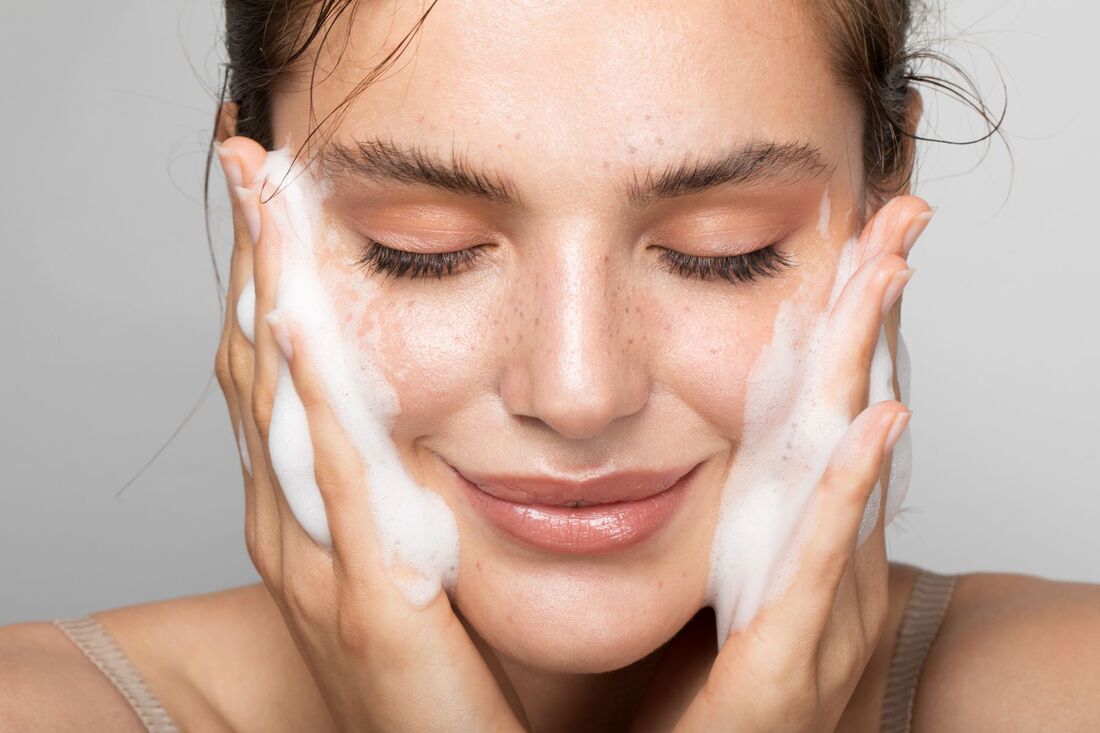
Your skin is the largest organ of your body and serves as the first line of defense against environmental damage. Despite this, many people overlook proper skincare until issues like acne, dryness, or aging appear. Maintaining healthy skin is not just about appearance—it’s essential for overall health.
This complete guide will help you understand your skin, build an effective skincare routine, and avoid common mistakes that can damage your skin.
Understanding Your Skin Type
Knowing your skin type is the foundation of a good skincare routine. The main skin types include:
1. Normal Skin
Balanced, not too oily or dry, with minimal imperfections.
2. Oily Skin
Produces excess sebum, leading to shine and acne breakouts.
3. Dry Skin
Feels tight, rough, and may flake or itch.
4. Combination Skin
A mix of oily and dry areas, usually oily in the T-zone.
5. Sensitive Skin
Easily irritated, prone to redness and reactions.
Choosing products based on your skin type ensures better results.
Basic Skincare Routine Everyone Should Follow
A simple yet consistent routine can transform your skin over time.
1. Cleansing
Clean your face twice daily to remove dirt, oil, and pollutants. Use a gentle cleanser suitable for your skin type.
2. Toning
Toners help restore your skin’s pH balance and prepare it for moisturizing.
3. Moisturizing
Hydration is key for all skin types. Even oily skin needs a lightweight moisturizer.
4. Sun Protection
Sunscreen is essential. Use SPF 30 or higher daily to protect against harmful UV rays.
Common Skin Problems and Their Causes
1. Acne
Caused by clogged pores, excess oil, bacteria, and hormonal changes.
2. Dryness
Often due to lack of moisture, harsh products, or weather conditions.
3. Hyperpigmentation
Dark spots caused by sun exposure, acne scars, or hormonal changes.
4. Premature Aging
Wrinkles and fine lines due to sun damage, stress, and poor skincare habits.
5. Skin Sensitivity
Triggered by allergens, harsh chemicals, or environmental factors.
Importance of Sunscreen
Sunscreen is one of the most important skincare products. It protects against:
- Sunburn
- Skin aging
- Hyperpigmentation
- Skin cancer
Apply sunscreen every morning, even on cloudy days.
Diet and Skin Health
What you eat reflects on your skin.
Foods That Improve Skin Health
- Fruits rich in antioxidants
- Leafy vegetables
- Nuts and seeds
- Fatty fish rich in omega-3
- Plenty of water
Foods to Avoid
- Sugary foods
- Processed snacks
- Excess dairy (for some individuals)
- Fried foods
A balanced diet supports healthy, glowing skin.
Lifestyle Habits for Better Skin
Healthy skin is not just about products—it’s also about lifestyle.
- Get enough sleep (7–9 hours)
- Manage stress
- Exercise regularly
- Avoid smoking and alcohol
- Stay hydrated
These habits improve skin texture and appearance.
Skincare Mistakes to Avoid
- Over-washing your face
- Skipping sunscreen
- Using too many products
- Not removing makeup before bed
- Ignoring your skin type
Avoiding these mistakes can prevent long-term damage.
Natural vs. Medical Skincare
Natural remedies can help with mild issues, but serious conditions require professional treatment.
Consult a dermatologist if you experience:
- Severe acne
- Persistent rashes
- Skin infections
- Unusual growths or moles
When to See a Dermatologist
Seek professional help if:
- Skin problems persist despite home care
- You notice sudden changes in your skin
- You experience pain, swelling, or irritation
Early diagnosis leads to better treatment outcomes.
Conclusion
Healthy skin requires consistency, the right products, and a balanced lifestyle. By understanding your skin type and following a proper routine, you can achieve and maintain glowing skin.
Remember, skincare is not about perfection—it’s about care and protection.
FAQs
1. How often should I wash my face?
Twice daily—morning and night.
2. Is sunscreen necessary indoors?
Yes, especially if you are exposed to sunlight through windows.
3. Can diet affect my skin?
Yes, unhealthy food can lead to breakouts and dull skin.
4. What is the best skincare routine?
Cleanse, tone, moisturize, and apply sunscreen.
5. Can I use natural remedies for acne?
They may help mild cases, but severe acne requires medical treatment.
6. How long does it take to see skincare results?
Usually 4–6 weeks with consistent routine.
