

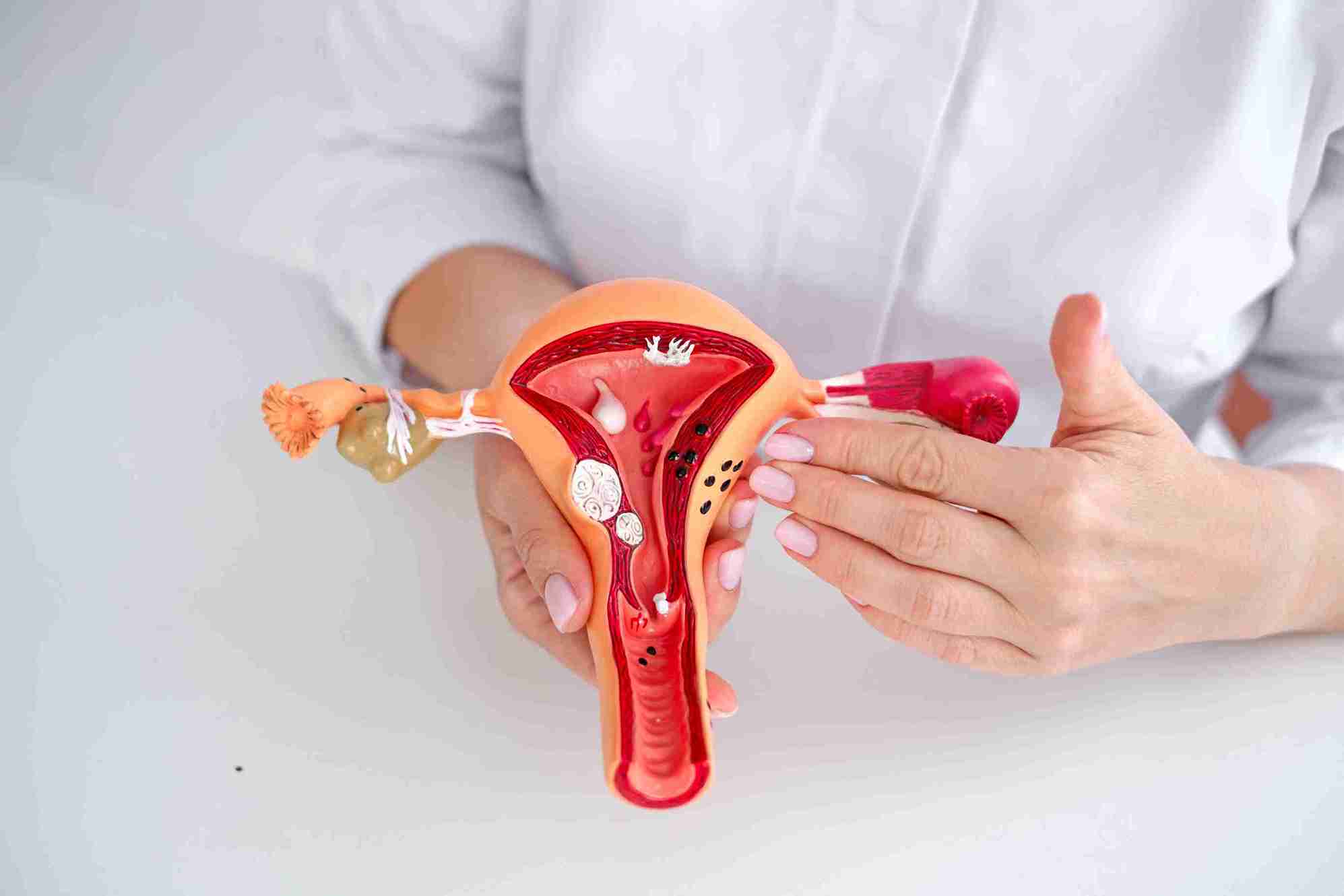
Menstrual health is a key indicator of overall well-being. A regular and healthy menstrual cycle reflects proper hormonal balance, while irregularities may signal underlying health issues.
This guide explains menstrual health, hormonal balance, common problems, and ways to maintain a healthy cycle.
What is Menstrual Health?
Menstrual health refers to the normal functioning of the menstrual cycle without excessive pain, irregularity, or complications.
A healthy cycle is consistent, manageable, and free from severe symptoms.
Understanding Hormonal Balance
Hormones regulate the menstrual cycle. The main hormones involved include:
- Estrogen
- Progesterone
- Luteinizing hormone (LH)
- Follicle-stimulating hormone (FSH)
Any imbalance can disrupt the cycle.
Signs of Hormonal Imbalance
- Irregular periods
- Heavy or light bleeding
- Acne and skin issues
- Weight gain
- Mood swings
- Fatigue
Recognizing these signs early is important.
Common Menstrual Disorders
1. Amenorrhea
Absence of menstruation.
2. Dysmenorrhea
Painful periods.
3. Menorrhagia
Heavy menstrual bleeding.
4. Premenstrual Syndrome (PMS)
Emotional and physical symptoms before periods.
Proper diagnosis helps in effective treatment.
Causes of Irregular Periods
- Hormonal imbalance
- Stress
- Poor diet
- Excessive exercise
- Medical conditions like PCOS
Understanding the cause is key to treatment.
How to Maintain Hormonal Balance
Balanced Diet
Eat foods rich in vitamins, minerals, and healthy fats.
Regular Exercise
Helps regulate hormones and improve overall health.
Stress Management
Chronic stress disrupts hormone levels.
Adequate Sleep
Sleep is essential for hormonal regulation.
Avoid Harmful Habits
Limit caffeine, alcohol, and smoking.
Natural Remedies for Menstrual Health
Some natural approaches include:
- Herbal teas
- Heat therapy for cramps
- Yoga and relaxation techniques
However, medical advice is recommended for severe issues.
When to Seek Medical Help
Consult a doctor if you experience:
- Missing periods
- Severe pain
- Excessive bleeding
- Sudden changes in cycle
Early intervention prevents complications.
Impact of Lifestyle on Menstrual Health
Lifestyle plays a major role:
- Unhealthy diet can disrupt hormones
- Lack of exercise affects cycle regularity
- High stress levels worsen symptoms
Healthy habits lead to better menstrual health.
Menstrual Hygiene Tips
- Change sanitary products regularly
- Maintain personal hygiene
- Use safe and clean products
- Stay hydrated
Proper hygiene prevents infections.
Conclusion
Menstrual health is a reflection of overall health. Understanding your cycle, maintaining hormonal balance, and adopting healthy habits can improve your quality of life.
Pay attention to your body and seek help when needed.
FAQs
1. What is a normal period cycle?
21–35 days with consistent patterns.
2. What causes irregular periods?
Hormonal imbalance, stress, or medical conditions.
3. Is painful menstruation normal?
Mild pain is common, but severe pain needs attention.
4. Can diet affect hormones?
Yes, nutrition plays a key role.
5. When should I see a doctor?
If symptoms are severe or persistent.
6. Can stress delay periods?
Yes, stress can disrupt hormonal balance.
