

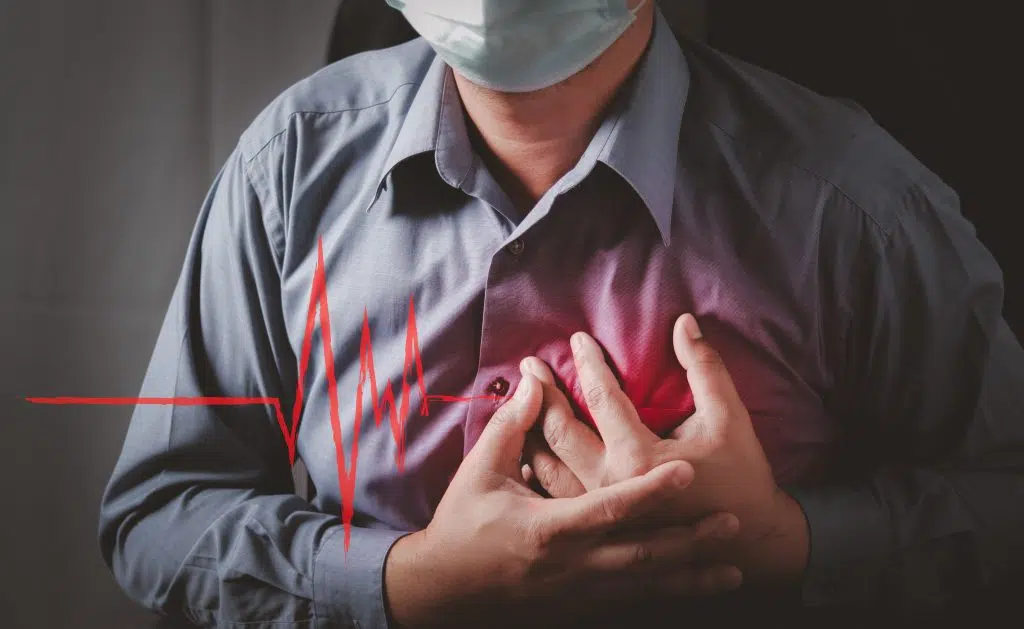
A heart attack can happen suddenly, but it is often the result of long-term damage to the heart. Understanding the causes, recognizing early warning signs, and taking preventive measures can save lives.
What is a Heart Attack?
A heart attack occurs when blood flow to a part of the heart is blocked, usually due to a buildup of fat, cholesterol, and other substances in the arteries.
Without oxygen-rich blood, the heart muscle begins to die, making it a medical emergency.
Common Causes of Heart Attacks
1. Coronary Artery Disease
The most common cause, where arteries become narrowed or blocked.
2. Blood Clots
A clot can block blood flow completely, leading to a heart attack.
3. Spasm of Coronary Artery
Sometimes arteries can temporarily narrow, restricting blood flow.
Early Warning Signs
Recognizing symptoms early can make a critical difference:
- Pressure or tightness in the chest
- Pain spreading to the arm, neck, or jaw
- Shortness of breath
- Nausea or vomiting
- Cold sweats
Symptoms may vary between individuals, especially in women.
Risk Factors You Should Know
- Smoking
- High cholesterol
- High blood pressure
- Diabetes
- Family history
- Lack of physical activity
Immediate Steps During a Heart Attack
If you suspect a heart attack:
- Call emergency services immediately
- Sit down and stay calm
- Chew aspirin if advised by a doctor
- Loosen tight clothing
Quick action can prevent severe damage or death.
Preventive Measures for a Healthy Heart
1. Healthy Eating Habits
Choose foods rich in nutrients and low in unhealthy fats.
2. Regular Physical Activity
Exercise strengthens the heart and improves circulation.
3. Avoid Smoking
Quitting smoking significantly reduces your risk.
4. Control Blood Pressure and Cholesterol
Regular monitoring helps keep these under control.
5. Limit Alcohol Intake
Excess alcohol can raise blood pressure and contribute to heart problems.
Importance of Mental Health in Heart Disease
Stress, anxiety, and depression can negatively affect heart health. Managing mental well-being is just as important as physical health.
Recovery After a Heart Attack
Recovery involves:
- Lifestyle changes
- Medications
- Cardiac rehabilitation programs
- Regular follow-ups with doctors
Consistency is key to preventing another episode.
Long-Term Heart Care Tips
- Follow a structured diet plan
- Stay physically active
- Maintain a healthy weight
- Monitor your health regularly
- Stay informed about your condition
Conclusion
Heart attacks are life-threatening but often preventable. Awareness, early detection, and a healthy lifestyle are your best defenses.
Taking proactive steps today can protect your heart for years to come.
FAQs
1. What are the first signs of a heart attack?
Chest discomfort, shortness of breath, and pain in the upper body are common early signs.
2. Can young people have heart attacks?
Yes, especially if they have risk factors like smoking or obesity.
3. How long does a heart attack last?
It can last several minutes or longer, depending on the severity.
4. Is aspirin always recommended during a heart attack?
Only if advised by a healthcare professional.
5. How can I reduce my risk quickly?
Quit smoking, improve diet, exercise regularly, and manage stress.
