

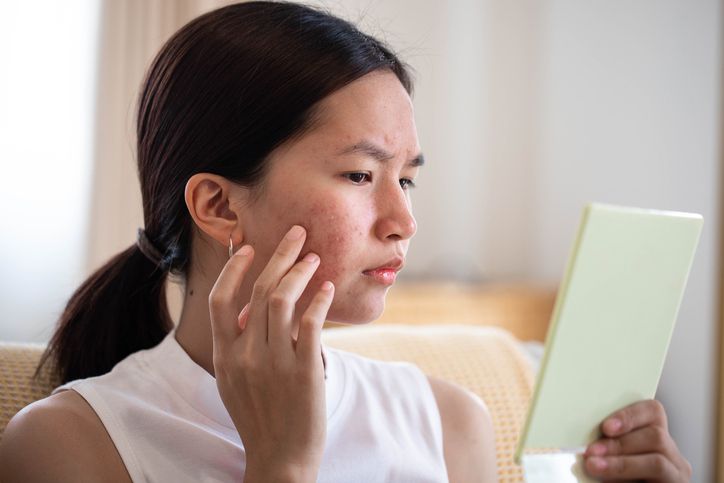
Acne is one of the most common skin conditions affecting people of all ages. While it is often associated with teenagers, adults can also struggle with persistent breakouts. Acne not only affects appearance but can also impact self-confidence and mental well-being.
This guide covers everything you need to know about acne, including causes, types, treatments, and prevention strategies.
What is Acne?
Acne occurs when hair follicles become clogged with oil (sebum), dead skin cells, and bacteria. This leads to pimples, blackheads, whiteheads, or cysts.
Common Causes of Acne
1. Excess Oil Production
Overactive sebaceous glands produce more oil, clogging pores.
2. Hormonal Changes
Hormonal fluctuations during puberty, pregnancy, or stress can trigger acne.
3. Bacteria
Bacteria in clogged pores can cause inflammation and infection.
4. Diet
Certain foods may contribute to acne in some individuals.
5. Stress
Stress can worsen acne by increasing hormone levels.
Types of Acne
1. Blackheads
Open pores filled with oil and dead skin.
2. Whiteheads
Closed clogged pores.
3. Papules and Pustules
Inflamed red bumps, sometimes filled with pus.
4. Cystic Acne
Severe, painful acne deep under the skin.
Understanding the type of acne helps determine the right treatment.
Effective Acne Treatments
1. Over-the-Counter Treatments
Products containing:
- Benzoyl peroxide
- Salicylic acid
- Retinoids
These help reduce oil, unclog pores, and fight bacteria.
2. Prescription Medications
For severe acne, dermatologists may prescribe:
- Oral antibiotics
- Stronger topical treatments
- Hormonal therapy
3. Professional Treatments
- Chemical peels
- Laser therapy
- Extraction procedures
Daily Skincare Routine for Acne-Prone Skin
- Cleanse twice daily with a gentle cleanser
- Use non-comedogenic products
- Apply treatment products as recommended
- Moisturize to maintain hydration
- Use sunscreen daily
Consistency is essential for results.
Natural Remedies for Acne
Some natural remedies may help mild acne:
- Tea tree oil
- Aloe vera
- Honey masks
However, results vary and should not replace medical treatment.
Foods That May Help Reduce Acne
- Foods rich in zinc
- Omega-3 fatty acids
- Fruits and vegetables
Foods to Limit
- Sugary foods
- Dairy (for some people)
- Fast food
Habits That Can Worsen Acne
- Touching your face frequently
- Popping pimples
- Using harsh products
- Not removing makeup
- Poor hygiene
Avoiding these habits can prevent breakouts.
Acne Scars and How to Treat Them
Untreated acne can leave scars. Treatment options include:
- Chemical peels
- Microneedling
- Laser treatments
- Topical creams
Early treatment reduces the risk of scarring.
When to See a Dermatologist
Consult a professional if:
- Acne is severe or painful
- Over-the-counter treatments don’t work
- You develop scars
- Acne affects your confidence
Conclusion
Acne is a common but manageable condition. With the right treatment, skincare routine, and lifestyle changes, you can control breakouts and maintain healthy skin.
Patience and consistency are key—results take time but are achievable.
FAQs
1. What causes acne the most?
Excess oil, clogged pores, and bacteria.
2. Can acne go away on its own?
Mild acne may, but severe acne needs treatment.
3. Is acne caused by dirty skin?
No, but poor hygiene can worsen it.
4. Can diet affect acne?
Yes, certain foods may trigger breakouts.
5. How long does acne treatment take?
Usually several weeks to months.
6. Should I pop pimples?
No, it can cause infection and scarring.
