

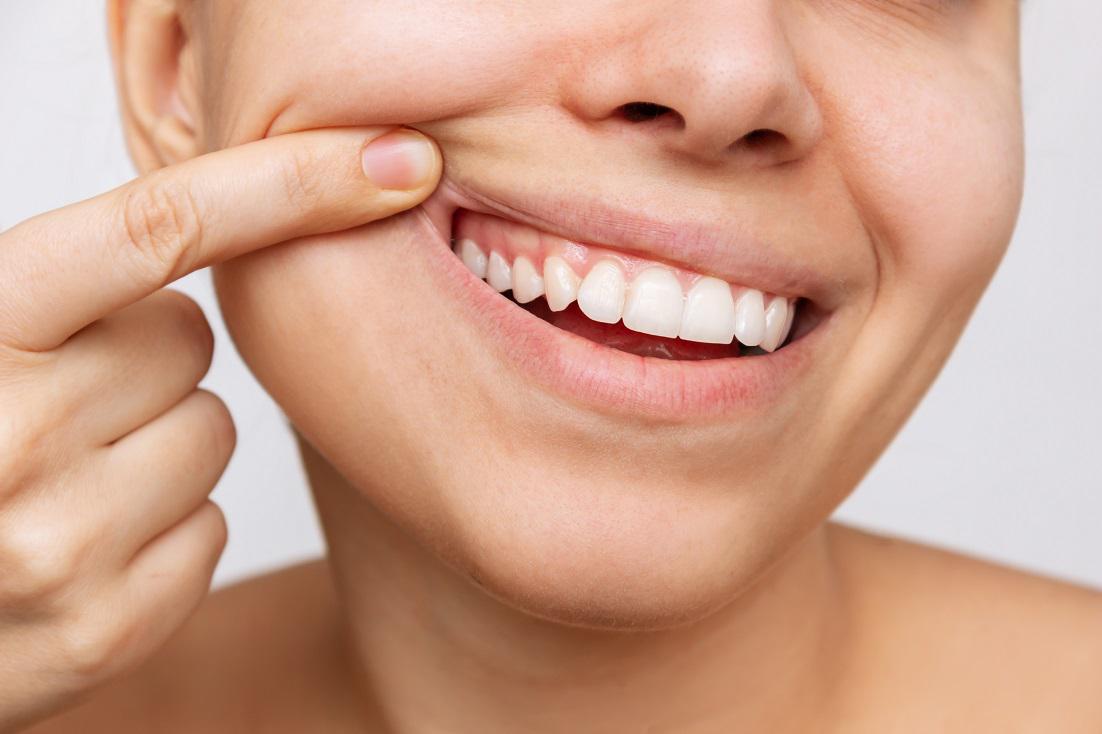
Oral health is often overlooked, yet it plays a critical role in your overall well-being. Healthy teeth and gums not only help you chew and speak properly but also protect your body from infections and diseases. Poor oral hygiene can lead to cavities, gum disease, and even serious health complications like heart disease and diabetes.
In this comprehensive guide, you will learn everything you need to know about maintaining optimal oral health, preventing common dental problems, and building habits that last a lifetime.
Why Oral Health Is Important
Your mouth is the entry point to your body. Harmful bacteria can easily enter your bloodstream through infected gums, leading to inflammation and systemic diseases.
Good oral health helps:
- Prevent tooth decay and gum disease
- Reduce the risk of infections
- Support proper digestion
- Enhance confidence and self-esteem
- Improve overall quality of life
Neglecting oral hygiene can result in long-term health issues, making daily care essential.
Understanding Common Dental Problems
1. Tooth Decay (Cavities)
Cavities occur when plaque, a sticky film of bacteria, builds up on teeth and produces acids that erode enamel. If untreated, cavities can cause pain, infection, and tooth loss.
2. Gum Disease (Gingivitis and Periodontitis)
Gingivitis is the early stage of gum disease, causing redness and bleeding. If left untreated, it can progress to periodontitis, which damages the soft tissue and bone supporting teeth.
3. Tooth Sensitivity
Sensitivity occurs when enamel wears down or gums recede, exposing the inner layer of the tooth. This can cause discomfort when consuming hot, cold, or sweet foods.
4. Bad Breath (Halitosis)
Persistent bad breath is often caused by poor oral hygiene, bacterial buildup, or underlying dental issues.
5. Tooth Loss
Advanced gum disease or severe decay can lead to tooth loss, affecting both function and appearance.
Daily Oral Hygiene Routine
Maintaining a proper oral hygiene routine is the foundation of healthy teeth and gums.
Brush Twice Daily
Use fluoride toothpaste and brush for at least two minutes. Make sure to clean all surfaces, including the back teeth and gum line.
Floss Every Day
Flossing removes food particles and plaque from between teeth where a toothbrush cannot reach.
Use Mouthwash
An antibacterial mouthwash helps reduce plaque and keeps your breath fresh.
Clean Your Tongue
Bacteria on the tongue can cause bad breath. Use a tongue scraper or toothbrush to clean it daily.
Choosing the Right Dental Products
Selecting the right products can improve your oral care routine:
- Use a soft-bristled toothbrush to avoid gum damage
- Replace your toothbrush every 3–4 months
- Choose fluoride toothpaste for cavity protection
- Consider electric toothbrushes for better cleaning efficiency
The Role of Diet in Oral Health
Your diet significantly impacts your dental health.
Foods That Strengthen Teeth
- Dairy products like milk, cheese, and yogurt
- Leafy greens and vegetables
- Nuts and seeds
- Fresh fruits like apples and pears
- Water to wash away food particles
Foods to Limit or Avoid
- Sugary snacks and beverages
- Sticky candies
- Carbonated drinks
- Acidic foods that erode enamel
A balanced diet supports strong teeth and healthy gums.
Importance of Regular Dental Checkups
Visiting your dentist regularly is essential for preventive care. Most experts recommend a dental visit every six months.
Benefits include:
- Early detection of cavities and gum disease
- Professional cleaning to remove plaque and tartar
- Personalized oral care advice
- Prevention of serious dental issues
Skipping dental visits can lead to complications that are more expensive and difficult to treat.
Lifestyle Habits That Affect Oral Health
Certain habits can either improve or damage your oral health.
Habits to Avoid
- Smoking or tobacco use
- Excessive alcohol consumption
- Nail biting
- Using teeth to open objects
Healthy Habits to Adopt
- Drink plenty of water
- Maintain a consistent oral care routine
- Eat a balanced diet
- Manage stress, which can lead to teeth grinding
Oral Health Across Different Life Stages
Children
Early dental care helps prevent cavities and builds lifelong habits.
Adults
Focus on preventing gum disease and maintaining oral hygiene.
Seniors
Pay attention to dry mouth, tooth loss, and gum health.
Each stage requires specific care and attention.
Signs You Should See a Dentist Immediately
Do not ignore these warning signs:
- Persistent tooth pain
- Bleeding or swollen gums
- Loose teeth
- Sensitivity that worsens over time
- Chronic bad breath
Early treatment can prevent serious complications.
Conclusion
Oral health is a lifelong commitment that requires consistent care and attention. By following a proper hygiene routine, eating a balanced diet, and visiting your dentist regularly, you can maintain strong teeth and healthy gums.
A healthy smile is more than just appearance — it reflects your overall health and well-being.
FAQs
1. How often should I brush my teeth?
At least twice a day for two minutes each time.
2. Is flossing really necessary?
Yes, it removes plaque from areas your toothbrush cannot reach.
3. Can poor oral health affect my body?
Yes, it is linked to heart disease, diabetes, and infections.
4. What causes bleeding gums?
Usually plaque buildup leading to gum inflammation.
5. How often should I visit a dentist?
Every six months or as advised.
6. Are electric toothbrushes better?
They can provide more effective cleaning than manual brushes.
